
Special Care Unit at UAB Medicine
TriVent Healthcare at UAB Hospital
TriVent Healthcare is a leading provider of ventilator weaning and rehabilitation services for medically complex patients. We partner with top hospitals to operate specialized inpatient units that serve as a critical bridge between the ICU and recovery.
At UAB Hospital, our Special Care Unit (SCU) is a dedicated TriVent Healthcare unit designed specifically to support patients who require prolonged mechanical ventilation and complex respiratory care. Unlike standard hospital units, the SCU focuses exclusively on helping these medically complex patients safely reduce ventilator dependence and regain strength and independence through highly specialized, interdisciplinary care.
Where We Are
6th floor, Spain Wallace, UAB
619 19th Street South
Birmingham, AL 35233
Unit Phone Number:
(205) 934-3201
Patient Referrals:
(954) 271-2317
The Special Care Unit
The Special Care Unit at UAB Hospital is a specialized, 12-bed inpatient unit operated in partnership with TriVent Healthcare. This unit is uniquely equipped and staffed to manage patients transitioning out of the intensive care unit who need focused respiratory weaning and rehabilitation.
The name “Special Care Unit” reflects our mission: to provide specialized, step-down care that advances patients along their recovery journey. The SCU bridges the gap between critical ICU care and long-term rehabilitation or home care by offering a low patient-to-clinician ratio and personalized treatment plans.
Our interdisciplinary team conducts comprehensive assessments of lung function, physical strength, and overall health to develop individualized care plans. Patients typically remain in the SCU for an average of 21 days, participating in tailored therapies designed to restore respiratory function, build endurance, and improve quality of life.
Our Medical Team Consists of
Occupational Therapists
Our occupational therapists focus on helping patients recover and regain the ability to perform basic daily tasks following a sudden illness, injury, or surgery. They work to improve patients’ independence in their daily lives, often collaborating closely with other rehabilitation team members, respiratory therapists, doctors, and nurses.
Key Tasks:
- Assisting with basic self-care tasks including dressing, bathing, toileting, grooming, and transfers.
- Introducing adaptive equipment such as walkers or wheelchairs, and assistive devices like sock aides, dressing sticks, or built-up spoon handles. These tools make tasks easier and safer.
- Guiding patients through activities and exercises to improve endurance and teach energy conservation techniques.
Physical Therapists
Our physical therapists focus on improving patients’ movement, strength, and mobility following an injury, surgery, or illness. They help patients regain the ability to walk, transfer from bed to chair, and perform other essential movements through tailored exercises and strategies. Physical therapists also educate patients on preventing further injury, improving posture, and managing pain. Their goal is to restore function and prepare patients for the next stage of recovery.
Key Tasks:
- Improve strength, movement, and mobility.
- Develop exercises to restore function and reduce pain.
- Support safe transfers and walking with or without assistive devices.
- Teach injury prevention and proper posture techniques.
Speech Pathologists
Speech-language pathology services include assessing the patient’s ability to communicate, whether the patient is on or off the ventilator. Communication abilities are evaluated using basic modes such as pointing, gesturing, writing, or speaking with a speaking valve. Once the patient is stable and ready to eat or drink, a bedside swallowing evaluation is ordered by the doctor. An instrumental swallow evaluation may also be needed to determine if swallowing is safe. Patients may be NPO (nothing by mouth) during this process. The goal is to advance the patient’s abilities to eat, drink, talk, and think as quickly and safely as possible.
Key Tasks:
- Treat speech and language disorders, including difficulties with speaking or understanding.
- Address swallowing issues to ensure safe eating and drinking.
- Use exercises to improve cognitive functions such as memory and attention.
- Educate patients and families on communication techniques and swallowing strategies.
Respiratory Therapists
Respiratory therapy focuses on helping patients breathe more easily—whether they are ventilator-dependent or breathing on their own. The primary goal is to improve lung function and support respiratory health through targeted treatments and exercises. This therapy plays a critical role in recovery, particularly for patients with prolonged ICU stays. Once a patient is stable, respiratory therapists assess their lung function and breathing ability. For patients on ventilators, the team implements a gradual weaning process to help them transition to independent breathing.
Key Tasks:
- Improve lung function and provide respiratory support.
- Gradually wean patients off ventilators to restore independent breathing.
- Monitor oxygen levels and adjust therapies for optimal respiratory performance.
- Educate patients and families on breathing techniques and ventilator management.
Case Managers
Case managers are healthcare professionals who coordinate and oversee the care of patients with complex medical needs. They play a vital role in ensuring each patient receives the appropriate medical, social, and support services throughout their stay. Case managers also help guide patients and families through the healthcare system, particularly during transitions of care and discharge planning.
Key Tasks:
- Organize medical, social, and supportive services tailored to the patient’s needs.
- Collaborate with the healthcare team to create individualized care plans.
- Track the patient’s recovery and adjust plans as necessary.
- Educate patients and families about conditions, treatment plans, and at-home care strategies.
- Facilitate seamless transitions between hospital units, rehab, or home care settings.
- Coordinate safe discharge with clear follow-up care instructions and community resource connections.
Quality Outcomes
FAQs
Will patients have a dedicated therapist, or do they rotate?
Yes, our therapy team remains consistent for each patient. This continuity of care is essential to building trust and ensuring a smooth and personalized recovery process. Patients can feel confident knowing they are supported by the same dedicated professionals throughout their healing journey.
Our respiratory therapists are assigned exclusively to our unit and do not float to other hospital units. This ensures they are available as needed and can provide focused, responsive care.
The majority of our patients are discharged either to inpatient rehabilitation facilities or to their homes with home health services, depending on their individual recovery needs.
How can families stay updated on patient progress?
We host interdisciplinary weekly rounds every Tuesday at 2:00 PM to review patient progress and care plans. These meetings include all members of the care team and offer an opportunity for families to hear updates and ask questions. Families are encouraged to participate either in person or virtually via video conference. Just let a staff member know your preference, and we’ll make sure you’re included.
How can I tell who’s who on the Care Team?
With so many members of the Care Team, it can sometimes be confusing to know who to turn to with a question or concern. To make it easier, most staff at UAB—except for medical doctors—wear designated scrub colors or uniforms based on their roles. This color-coding system helps patients and families quickly identify each team member’s specialty or function. Use the guide below to help you recognize who’s who during your stay.

What does the Isolation Precaution sign on the door mean?
Patients may be placed on isolation precautions to help prevent the spread of infection. If your loved one is in isolation, we ask that you follow infection prevention practices, which may include:
- Wearing gowns, gloves, and masks
- Washing hands before entering and after leaving the patient’s room
If you see colored isolation signs on the door, please follow the instructions to wear protective equipment for your safety and the patient’s.

From Our Staff
In the News
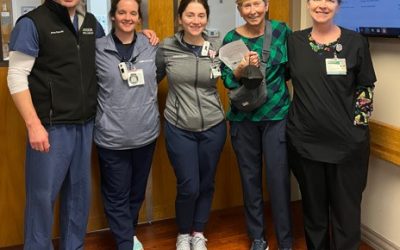
Against All Odds: Sally Kaiser’s Journey Back to Life with TriVent Healthcare
For Sally, life was once filled with simple, everyday joys: morning walks with her dog along the beaches of Destin, Florida, afternoons spent playing pickleball, and the freedom that comes with independence. But in December 2023, it all took a turn for the worse....
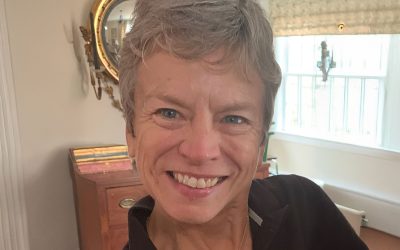
Staff Spotlight: Sharon Marbury, Speech Language Pathologist
Sharon Marbury didn’t always know she’d end up in a hospital setting, working side by side with patients facing some of the most vulnerable moments of their lives. But she always knew she wanted to help people. “I always knew I wanted to be in a helping profession,”...

Staff Spotlight: Jaimie Roxas, Respiratory Therapist
Some people choose healthcare as a profession. For Jaimie Roxas, it was something she felt called to do. From a young age, she watched her mother work as a nurse and saw how compassion and skill could change someone’s life. That early exposure didn’t just spark...

Embedded Knowledge
Our team is comprised of seasoned professionals, who average nearly 20 years experience in critical care. Each role adheres to a strict protocol to ensure the highest level of care and the minimization of hospital-acquired conditions.
TriVent Healthcare’s units are accredited by the Joint Commission on Accreditation of Healthcare Organizations (JCAHO).